

Headset-first XR is dying. Here's what comes next.
The metaverse hype made VR headsets the public face of XR. That association is now a liability for enterprise buyers.
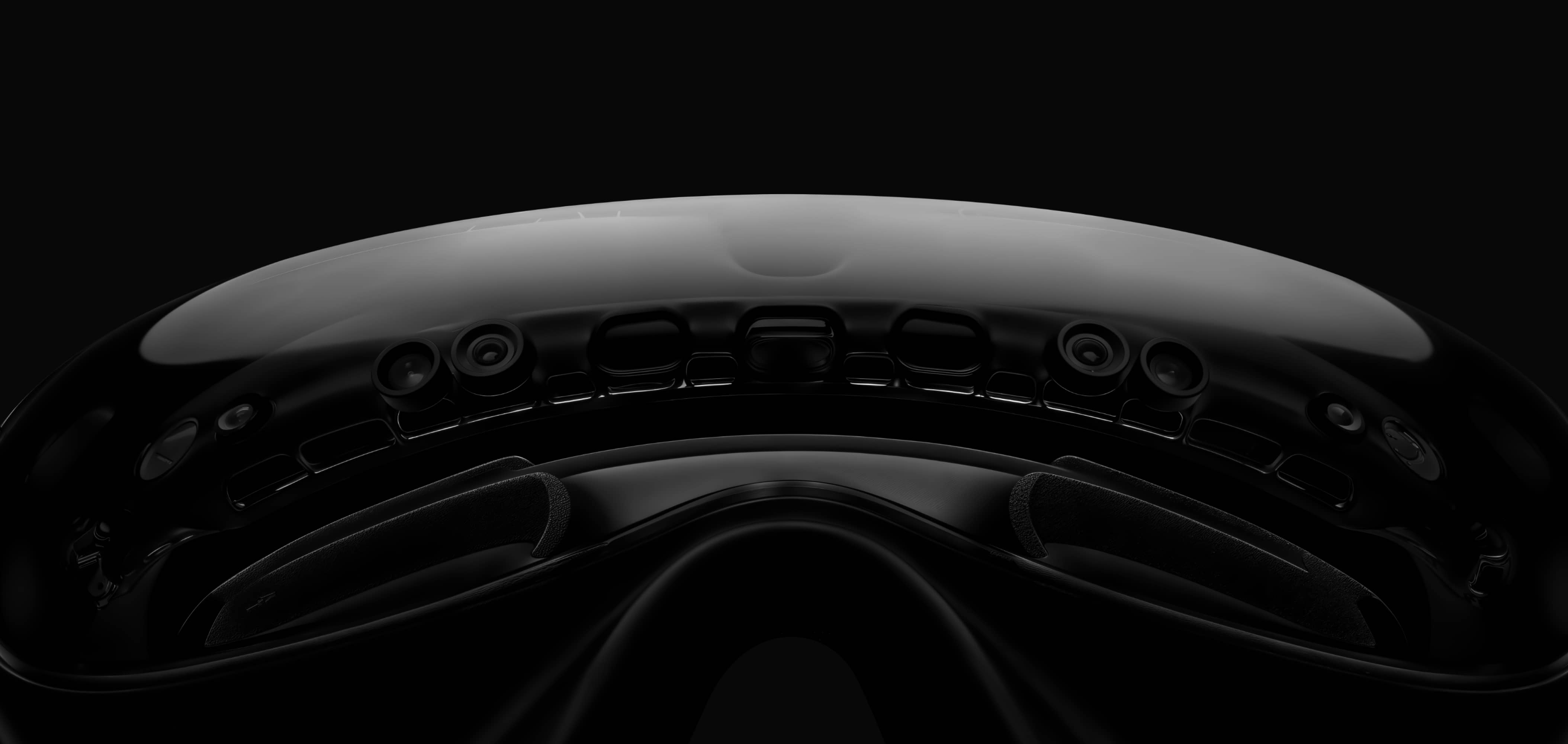
Three years ago, “XR” and “VR headset” were nearly synonymous in enterprise procurement conversations. Today, they shouldn't be — and the buyers ahead of the curve are explicitly asking for the separation.
This is what's actually happening, and what the smart enterprise XR strategy looks like in 2026.
The Quest moment vs the Quest reality
Meta has shipped roughly 20 million Quest headsets across the consumer and enterprise lines since 2019. That's a real number. It also has the wrong context attached to it in most enterprise discussions.
The retention numbers tell a different story. Industry analysts estimate that under 30% of Quest owners use the device weekly more than six months after purchase. Average session length declines sharply after the first two weeks. The headsets are bought, used, and shelved.
This pattern matters for enterprise buyers because it predicts what happens when you deploy headsets to 500 or 5,000 employees. The first month is exciting. By month three, the headsets are in drawers. By month six, IT is fielding tickets about the headsets that have been “lost” or “broken.” By month nine, the procurement team is asking why the renewal cost is justified.
This isn't a Meta-specific problem. It's a category-level adoption pattern that hits every headset platform.
Why enterprise audiences don't show up in headsets
The reasons are predictable, and they're not going away:
Hardware overhead. Charging, sanitizing, distributing, supporting, replacing. Every step costs IT time. Every step has a failure mode.
Use case narrowness. Most enterprise XR use cases — onboarding, training, virtual events, design review, product demos — work fine on a laptop. The headset is overkill for 80% of what XR is being purchased to do.
Demographic friction. Some employees can't use headsets. Glasses, motion sensitivity, claustrophobia, religious head coverings, accessibility constraints. Headset-mandatory programs systematically exclude part of the workforce.
Inconsistent IT support. Most IT teams are confident managing laptops. Most are not confident managing headsets. The result: headset programs need parallel IT processes, which makes scaling expensive.
What “browser-native XR” means
The shift underway is from headset-mandatory to device-agnostic. Browser-native XR runs on whatever the user already has — laptop, phone, tablet, or headset — with no install, no platform-specific account, and no minimum hardware.
The practical experience for the user: they click a link, an immersive environment loads in their browser, they navigate with WASD or touch controls, they participate. If they happen to have a headset and want to opt in, they can. The headset is a nice-to-have, not a gate.
This shift isn't a downgrade from “real” XR. It's a recognition that XR's value is the spatial environment and the social presence, not the device on the user's face.
The new XR stack
The XR stack ahead of the curve in 2026 looks like this:
Browser-first, headset-optional. Default delivery is web-based. VR is supported but never required.
Device-agnostic infrastructure. The platform delivers consistent experiences across desktop, mobile, and headset without rebuilding for each.
Content-driven, not device-driven. Procurement decisions are evaluated on whether the content is good, not whether the device is novel.
Browser-native analytics. The platform measures engagement at the experience level, across devices, in real time.
Open-format asset compatibility. The asset library doesn't care which device renders it.
Vendors selling this stack are growing. Vendors selling headset-mandatory experiences are running into Procurement's hard questions about cost-per-active-user. The math doesn't work the same way once you account for hardware overhead.
What this means for procurement decisions
If you're evaluating enterprise XR vendors in 2026, three questions cut through the marketing:
1. What's the experience like for someone without a headset? If the answer involves rebuilding the experience or accepting a degraded version, the vendor is headset-first wearing a browser-friendly mask.
2. What's the breakdown of active users by device? If 90% of the vendor's active users are on headsets, that's the audience their platform was built for. Your enterprise audience won't match.
3. What's the platform's path when headset adoption plateaus? If the vendor doesn't have an answer, you're betting on a hardware category that's already showing decline.
Headset-first XR isn't going away — it has real applications in surgical training, technical maintenance, and a few specialized fields. But for the broad enterprise XR use cases that are funding the next wave of programs, headset-first is a constraint, not a feature.
The buyers who recognize this are scoping browser-native first, and adding headsets where they meaningfully improve the experience. That's where the smart money is going.



Subscribe to our weekly newsletter
Lorem ipsum dolor sit amet consectetur. At molestie amet nunc elementum nisl sem eu etiam.


