3D Virtual Event Platforms: What to Compare Before You Choose
How 3D virtual event platforms differ: access, capacity, audio, branding, hybrid, and analytics, plus questions to ask in a demo.
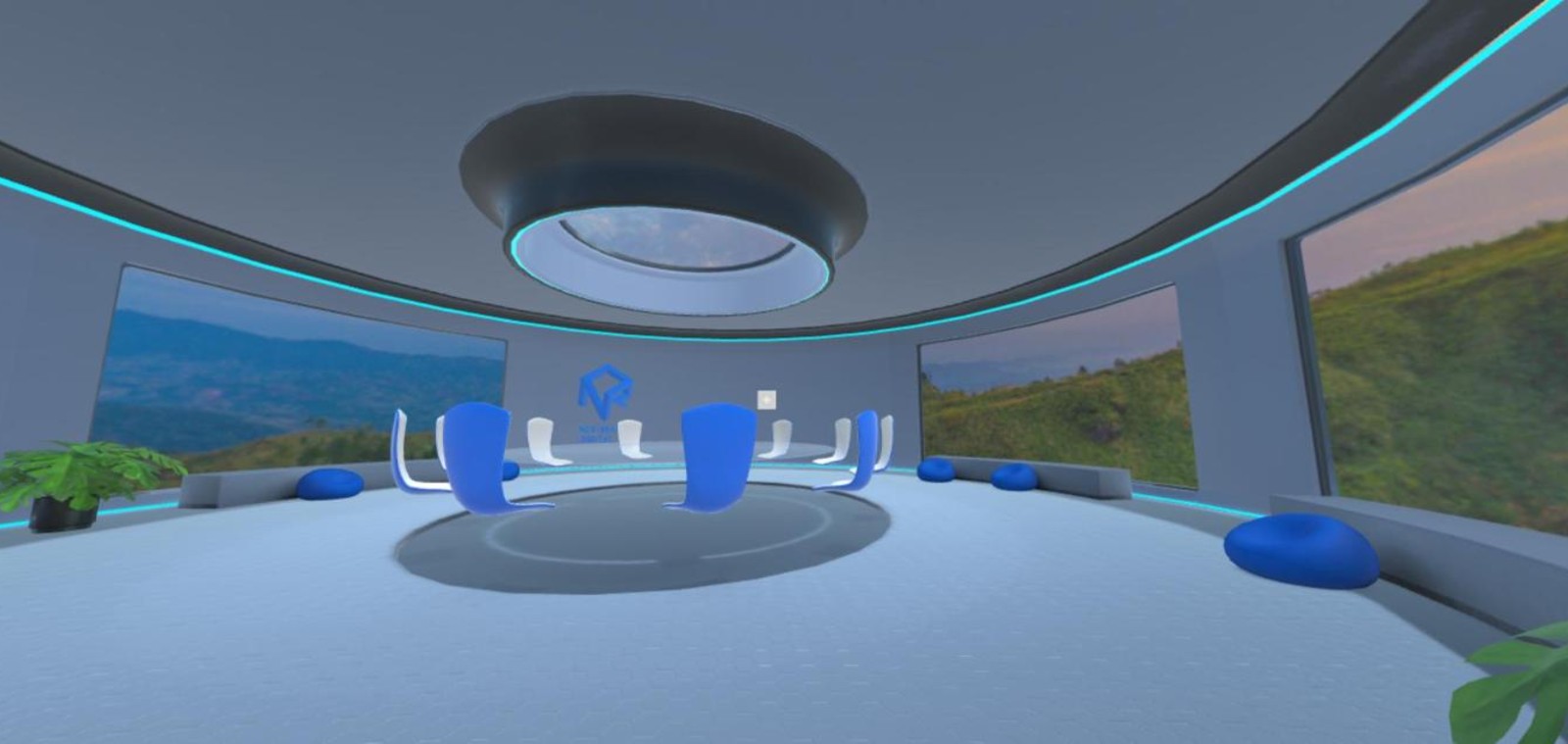
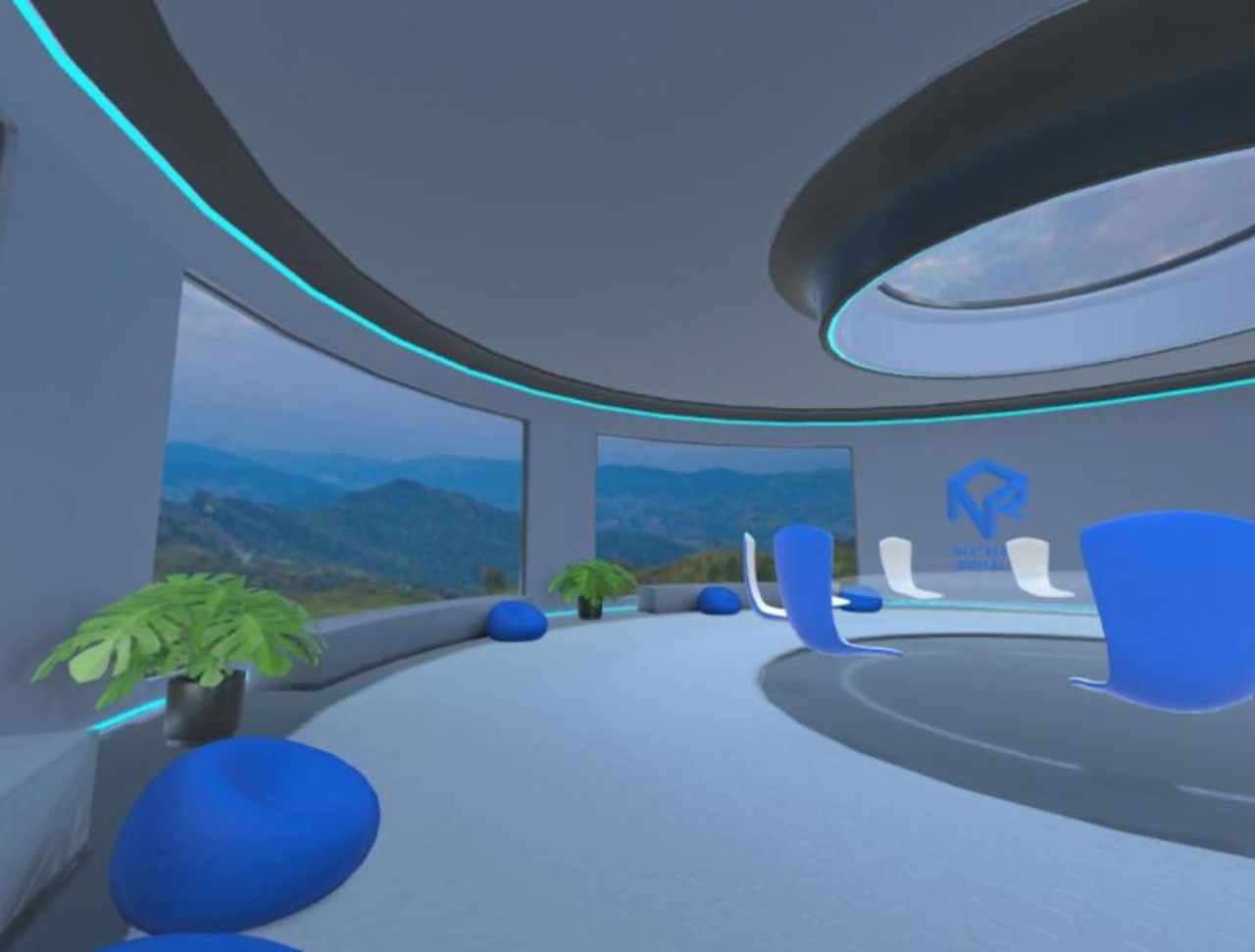
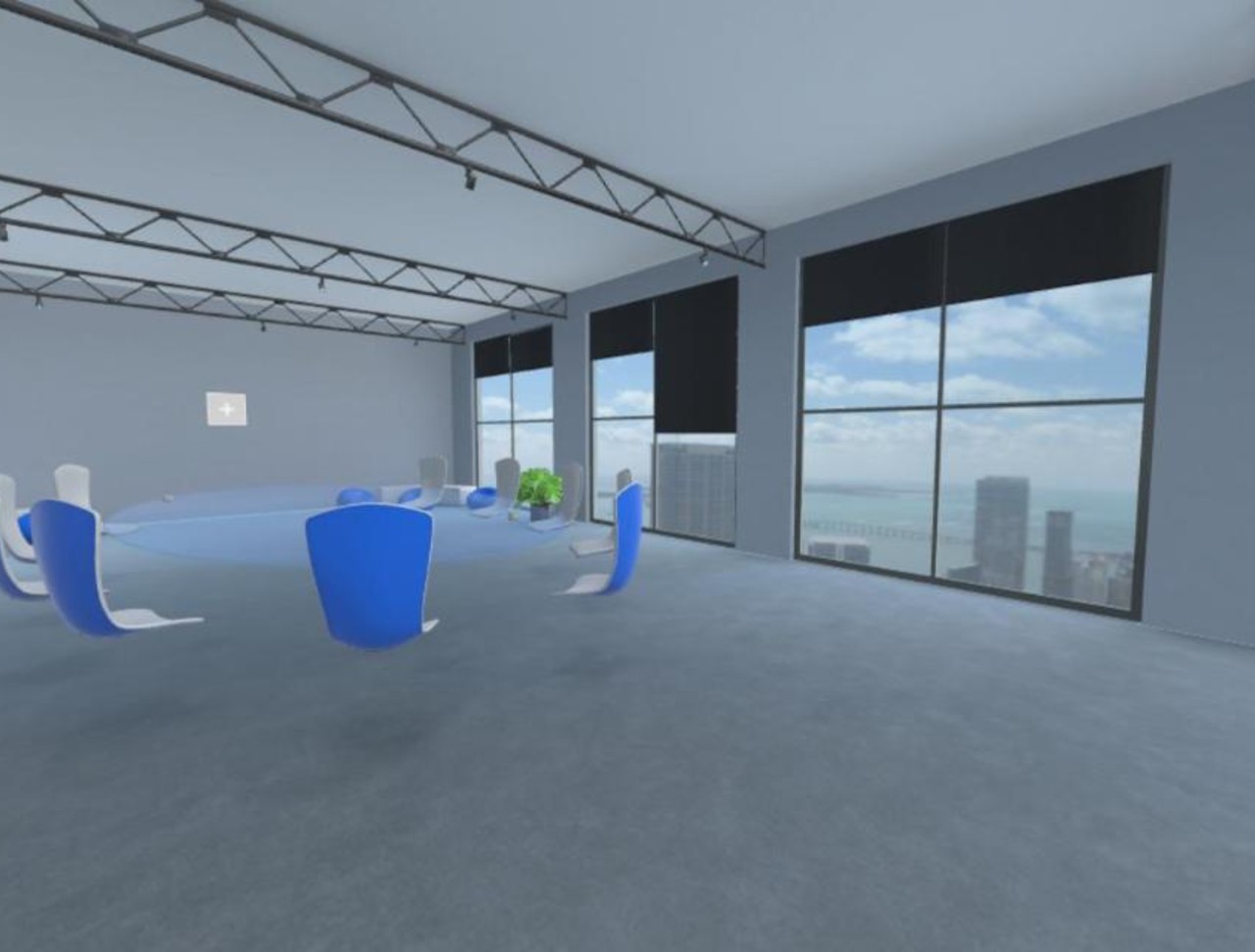
A 3D virtual event platform hosts conferences, launches, and meetups inside a navigable 3D venue, where attendees appear as avatars, move between stages and booths, and talk to whoever is nearby. The platforms differ most in how attendees join (browser or downloaded app), how many people a session can hold, how much you can brand and build the venue, and what data you get back.
This guide covers what to compare and how several well-known platforms approach it.
3D event platform vs. video event platform
Video event platforms put attendees in a grid or a livestream. Networking happens in chat or scheduled breakout calls. A 3D platform adds a shared space: attendees see each other, walk up to a booth or a group, and conversations happen the way they do in a hallway. That is why 3D venues tend to be chosen for expos, sponsor activations, and networking-heavy events rather than single-track webinars.
Six things to compare
1. How attendees join. Every extra step loses attendees. Browser-based platforms open from a link; app-based platforms require a download and install first. Check whether guests need to create an account.
2. Capacity per session. Ask for the concurrent-user limit per room and per event, and how many people can be on camera and microphone at the same time. These are often different numbers.
3. Audio and stages. Spatial audio (voices get louder as you approach) makes natural group conversation possible. Check stage tools: screen sharing, slides, video, and speaker webcams.
4. Branding and venue building. Can your team customize the venue, or only pick from templates? Can sponsors get branded spaces?
5. Hybrid support. If you also have a physical audience, check how in-person and remote attendees share one program, and how registration and tickets work for both.
6. Analytics and registration. Look for attendance, session duration, engagement, and traffic sources, plus RSVP or registration data you can use for sponsor reporting and follow-up.
How some platforms approach it
Frame is a 3D collaboration and events platform that runs in a web browser on desktop, mobile, and VR headsets, with no downloads or installs, according to Frame's site.
Virbela offers brandable venues, spatialized voice, stages with webcam support, and breakout areas, and says its event platform is built to support tens of thousands of attendees with no VR headset required, according to Virbela's event platform page.
Next Reality Digital runs events as Activations inside browser-native 3D Verses. Attendees join from a link, QR code, or numeric code on desktop, mobile, or VR, with no app to install. Activations can be virtual, in-person (RSVP generates a digital ticket), or hybrid, and can recur daily, weekly, or monthly. XRHUB Analytics reports attendance, session duration, engagement, and traffic sources, and AI agents provide live chat translation for multilingual audiences. Self-serve rooms hold up to 50 people on the B Suite plan, and an Activation can reach up to 200 concurrent users on request (see pricing). A two-day, 150-person AI business summit ran entirely on the platform; read the case study.
Features and limits change often. Confirm current capacity and pricing with each vendor before you commit.
Questions to ask in a demo
- Can I join your demo event from my phone right now, without installing anything?
- What is the maximum concurrent attendance per room, and how many people can use camera and microphone at once?
- Can my team build or change the venue ourselves?
- Show me the analytics screen from a real past event.
- How do in-person and remote attendees register and share the same agenda?
Common questions
- What is a 3D virtual event platform? It is software that hosts events inside a navigable 3D venue. Attendees appear as avatars, move between stages, booths, and lounges, and talk to people nearby, instead of watching a video stream.
- Do attendees need a VR headset for a 3D virtual event? Usually not. Most 3D event platforms run on desktop and mobile, and some also support VR headsets as an option.
- How many people can attend a 3D virtual event? It depends on the platform. Limits per room and per event vary widely, and camera and microphone limits are often lower than total attendance, so ask vendors for both numbers.
- What is the difference between a virtual event platform and a 3D event platform? A standard virtual event platform is built around video streams and chat. A 3D platform adds a shared spatial venue where attendees can move, meet, and network as they would at an in-person event.
- Can a 3D virtual event platform run hybrid events? Some can. Look for support for physical attendees (registration and tickets) alongside a shared 3D venue for remote attendees.
Related reading
See how this works on our virtual event platform page. You may also like Hybrid Event Platforms: How to Run One Without Losing Remote Attendees and Virtual Events in 2026: Formats That Still Get Attendance.
Get started
Walk through a live venue during the demo, from your own browser. Get a Demo or Build for Free