Browser-Based vs. Headset VR Training: Which Model Fits Your Program?
Browser-based VR training reaches every employee; headsets add immersion for physical skills. When to use each, and how to combine them.
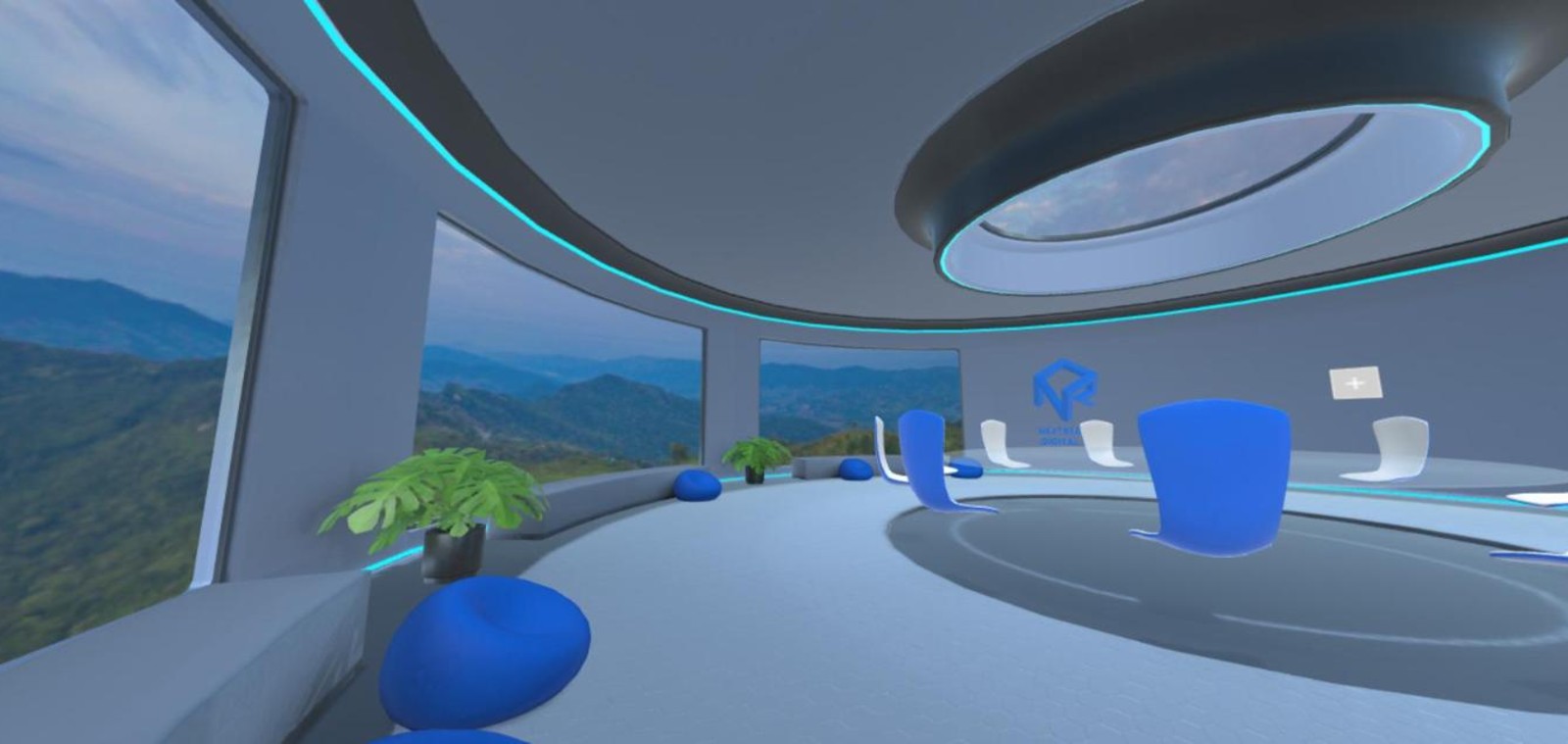
Browser-based VR training runs on the laptops and phones employees already have, so it reaches an entire workforce quickly. Headset-based training gives deeper immersion and natural hand interaction, which matters for some physical skills, but every learner needs a device. Most programs get the best results from one build delivered in the browser by default, with headsets used for the cohorts and scenarios that genuinely need them.
How the two models compare
- Who can take the training: browser-based, anyone with a laptop, tablet, or phone; headset-first, only learners with a device.
- Hardware cost: browser-based, none beyond existing devices; headset-first, one headset per concurrent learner, plus charging and storage.
- Device management: browser-based, standard browser with nothing to install; headset-first, fleet setup, updates, hygiene, and shipping.
- Immersion: browser-based, 3D on a screen; headset-first, full field of view and true sense of scale.
- Hand interaction: browser-based, mouse, keyboard, or touch; headset-first, tracked controllers or hands.
- Remote and distributed teams: browser-based, join from a link anywhere; headset-first, devices must be in learners' hands first.
- Time to launch: browser-based, as soon as content is published; headset-first, after devices are procured and distributed.
When headsets are worth it
Headsets earn their cost when the skill depends on the body or on true scale: fine motor procedures, judging distances and clearances in a real-size space, or rehearsing a physical sequence where hand position matters. They also help when full immersion is the point, such as practicing composure in a high-pressure scenario.
When browser-first wins
Browser delivery wins when reach matters more than immersion: onboarding, process and procedure walkthroughs, site orientation, compliance refreshers, and instructor-led sessions with remote participants. It also wins when you need to start now rather than after a hardware purchase, or when your workforce is spread across many locations.
The hybrid approach
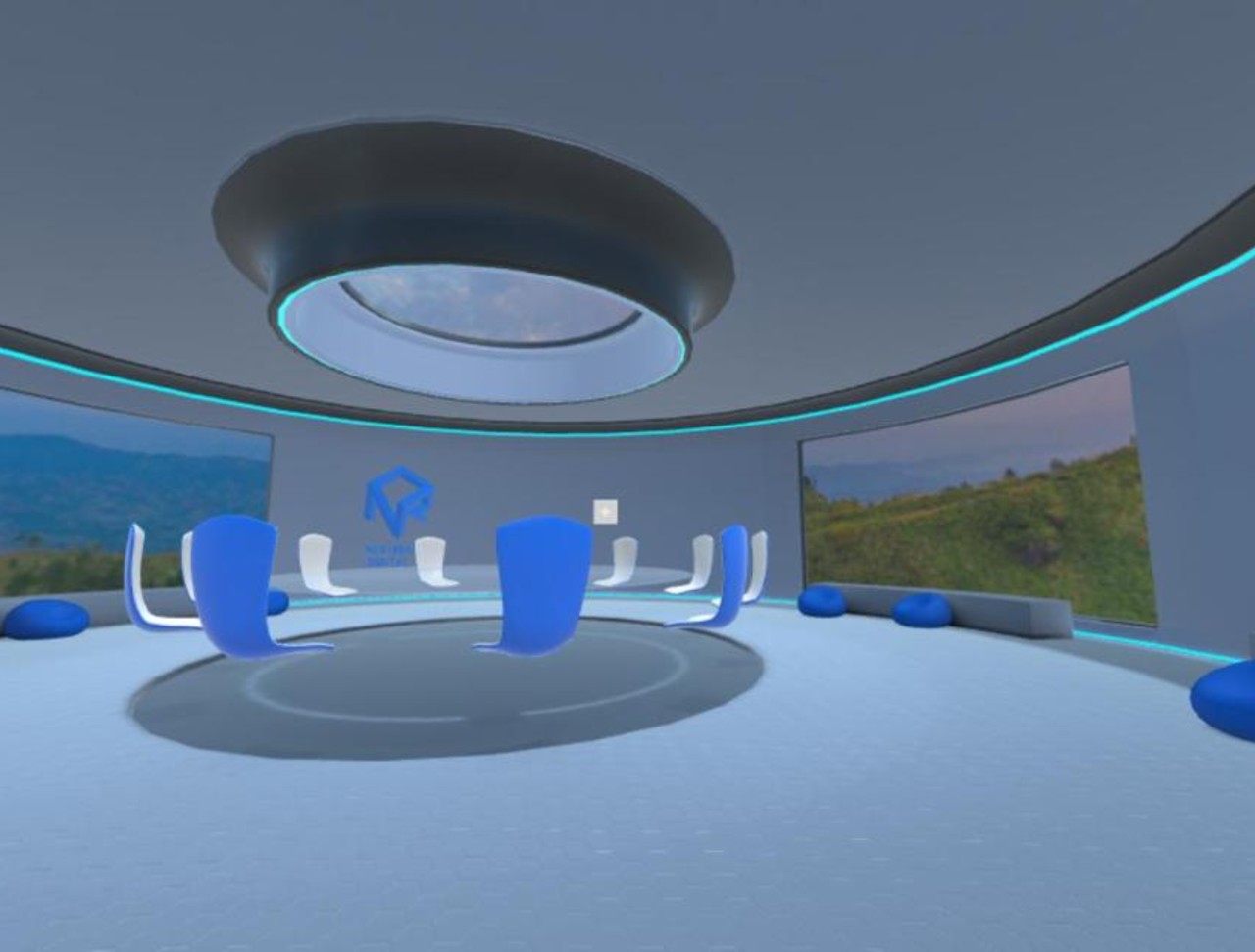
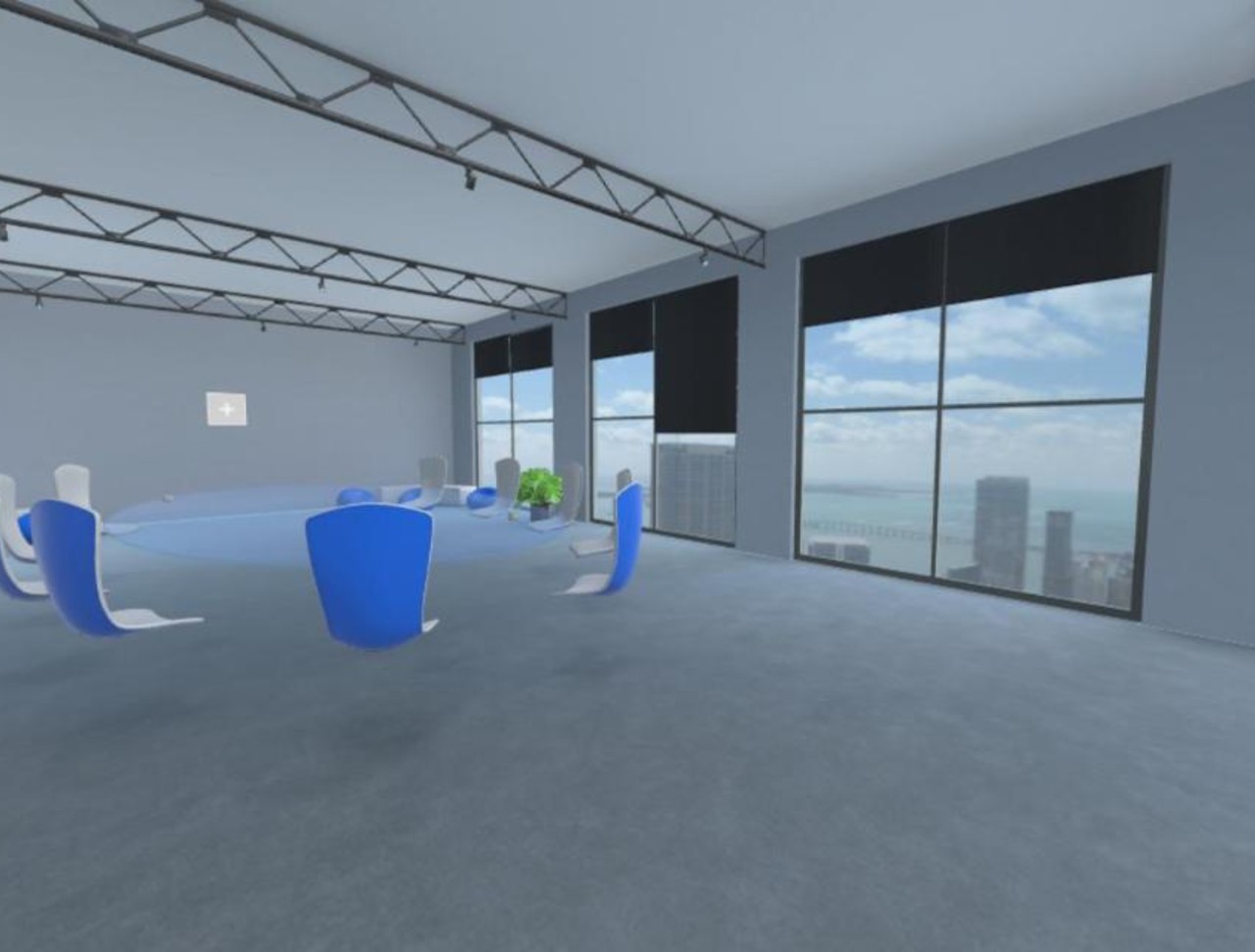
You don't have to choose one model for the whole program. On platforms that publish one environment to every device, the same scenario can open in a browser for most employees and in a headset for a smaller group. On Next Reality Digital, a published Verse opens from one link on desktop, mobile, or a VR headset, so you can start browser-first and add headsets later without rebuilding content.
A simple way to pilot
- Pick one scenario where you already measure outcomes, such as onboarding time or a recurring safety check.
- Build it once and publish it to the browser.
- Run it with a full team in the browser and a small group in headsets.
- Compare engagement and session data from both groups.
- Decide where headsets add enough value to justify the hardware.
Common questions
- Is browser-based VR training really VR? It delivers the same interactive 3D environment, viewed on a screen instead of through a headset. Learners still move through the space and interact with objects; they just do it with a mouse, keyboard, or touch.
- Is headset VR training more effective than browser-based training? It depends on the skill. Headsets add the most for physical and spatial skills. For knowledge, process, and team-based training, reaching every learner often matters more than full immersion.
- How much do VR training headsets cost to deploy? Beyond the device price, budget for setup, software updates, cleaning between users, storage, charging, and shipping to remote sites. These operating costs grow with the size of the fleet.
- Can one training scenario run in both a browser and a headset? On some platforms, yes. Platforms that publish to the web can open the same environment on desktop, mobile, and VR headsets from one link, so you build it once.
- What should we pilot first? Start with one scenario where you already track an outcome, run it browser-first with a full team, and add headsets for a small group to compare.
Related reading
See how this works on our enterprise VR training platform page. You may also like VR Training Software Compared and What Is Immersive Training?
Get started
See your own scenario run in the browser and in a headset during the demo. Get a Demo or Build for Free