VR Training Software Compared: Libraries, Managed Programs, and Build-Your-Own
Compare VR training software by type: content libraries, managed programs, and build-your-own platforms. What to ask before you choose.
VR training software falls into three groups: off-the-shelf content libraries, managed enterprise deployments, and build-your-own platforms. The right choice depends on three things: who will build and update your training content, which devices your learners actually have, and what data you need back to prove the program works.
This guide compares the main approaches and some of the best-known platforms in each, so you can shortlist faster. For a deeper evaluation checklist, see our buyer's guide for enterprise L&D.
The three types of VR training software
Content libraries sell ready-made scenarios, usually for soft skills, compliance, or safety. You can launch in days, but customizing a scenario to your own procedures, equipment, or brand is limited or billed as custom work.
Managed enterprise deployments pair software with a vendor team that designs content and runs headset fleets for you. They suit very large programs with dedicated budgets, but every new scenario typically goes through the vendor.
Build-your-own platforms give your team a visual editor to create scenarios and environments internally. They take more initial effort, but your L&D team controls updates, and one subscription can support any number of scenarios.
How the main platforms compare
- Warp VR: Scenario-based training: safety, soft skills, onboarding, compliance. Devices: Meta Quest, Pico, iOS, Android, browser.
- Strivr: Large US enterprise programs. Devices: VR, managed deployment.
- VirtualSpeech: Communication and presentation skills. Devices: VR, web, mobile.
- Talespin: Soft skills content libraries. Devices: VR, web, mobile.
- Virti: Clinical simulation. Devices: VR, web, mobile.
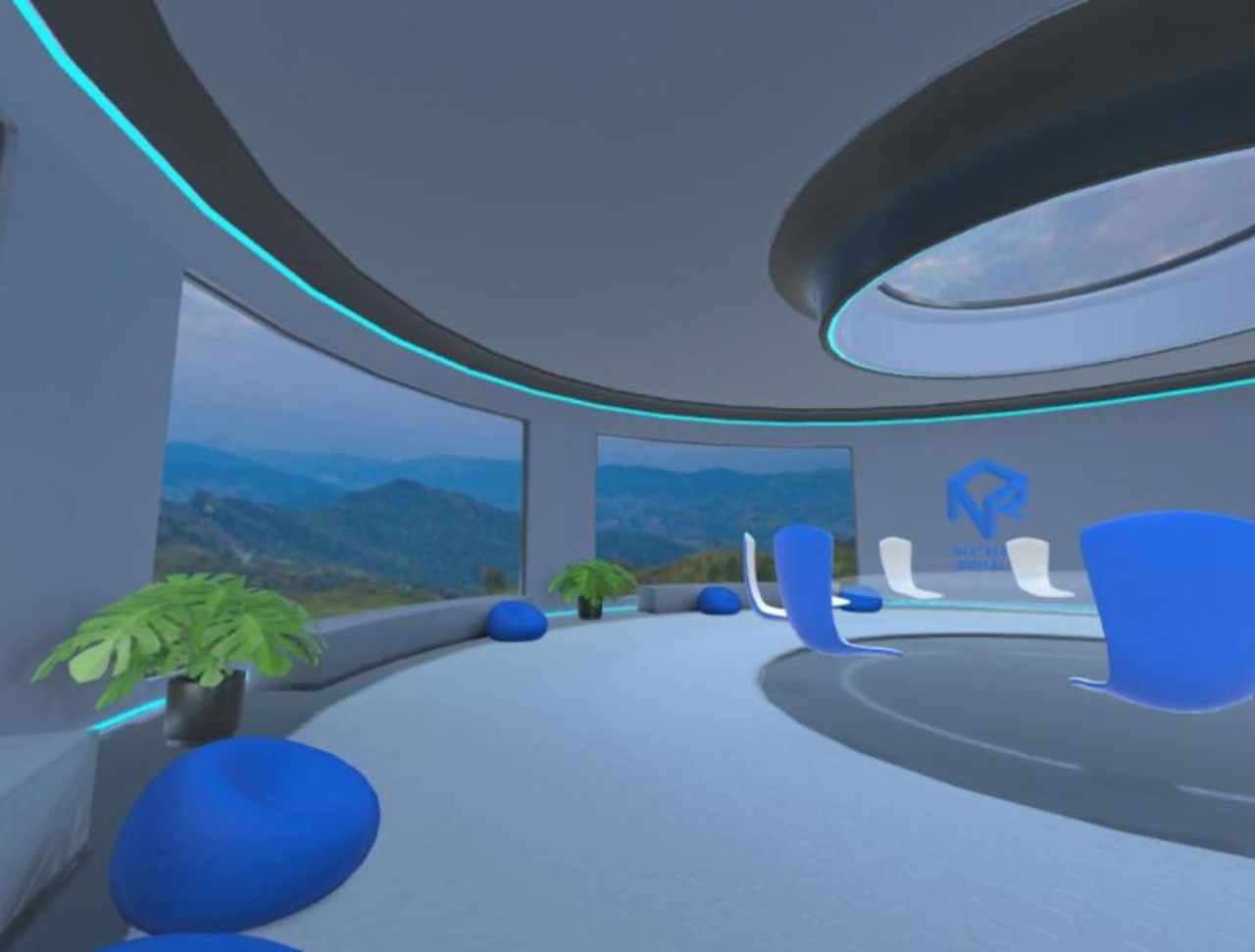
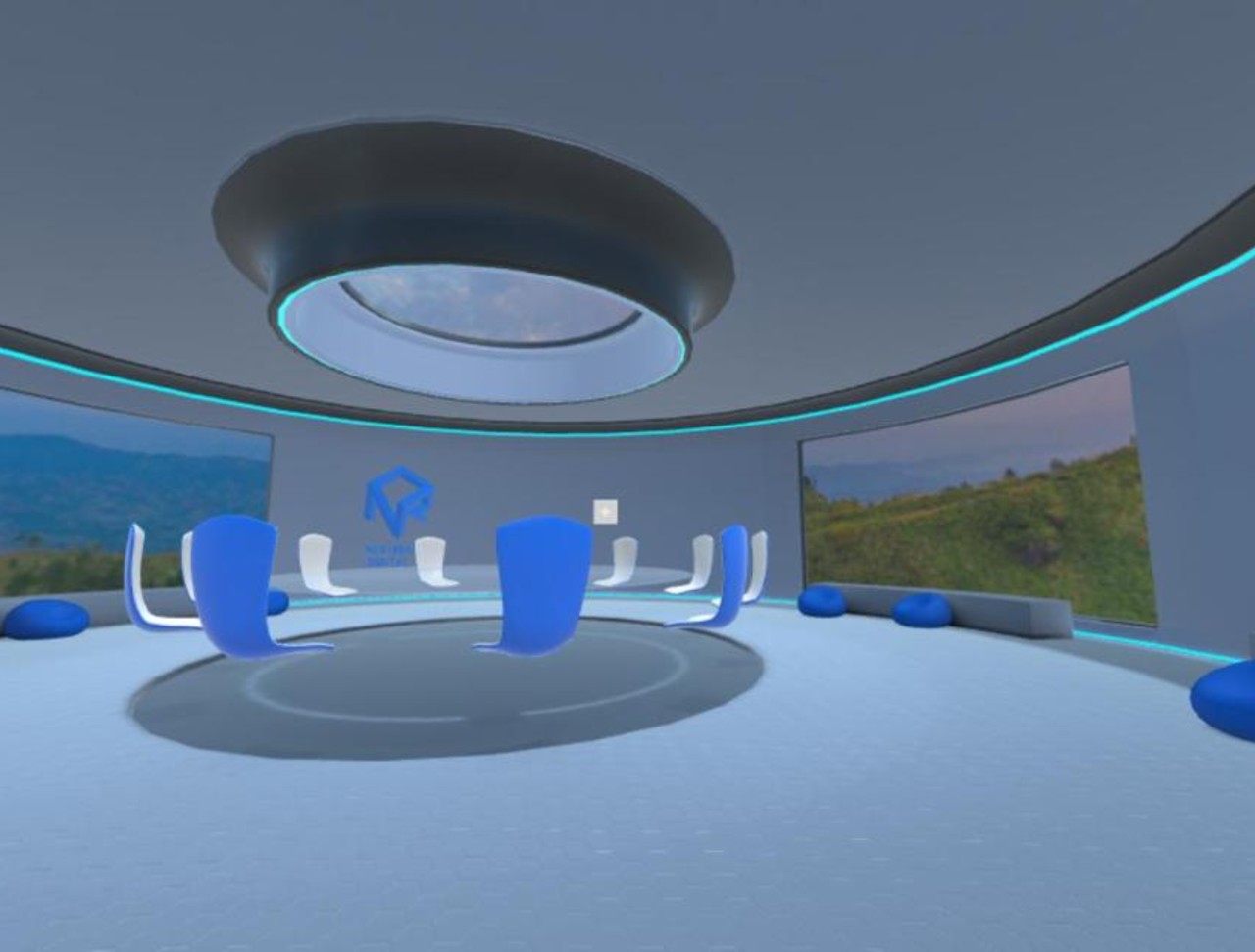
- Next Reality Digital: Build-your-own, multi-user 3D training environments. Devices: Browser on desktop, laptop, and mobile; VR headsets optional.
Device and focus details for third-party platforms are as listed in Warp VR's 2026 platform comparison. Confirm current capabilities with each vendor before you decide.
Five questions that separate them
1. Who builds the content? If your L&D team needs to update scenarios as procedures change, a no-code editor matters more than a large library.
2. Does it require headsets? Headset-only delivery caps your audience at the number of devices you can buy and manage. Browser delivery reaches anyone with a laptop or phone. See browser-based vs. headset VR training for when each makes sense.
3. Is it single-player or multi-user? Many VR training products are built for one learner at a time. If you need instructor-led sessions, team drills, or live walkthroughs, check that several people can share the same environment.
4. What data comes back? Ask to see the actual analytics screen: active users, session duration, engagement, and events per scenario are the minimum for completion reporting.
5. Can it deliver in more than one language? For distributed workforces, look for multilingual delivery from one build rather than parallel content per region.
Where Next Reality Digital fits
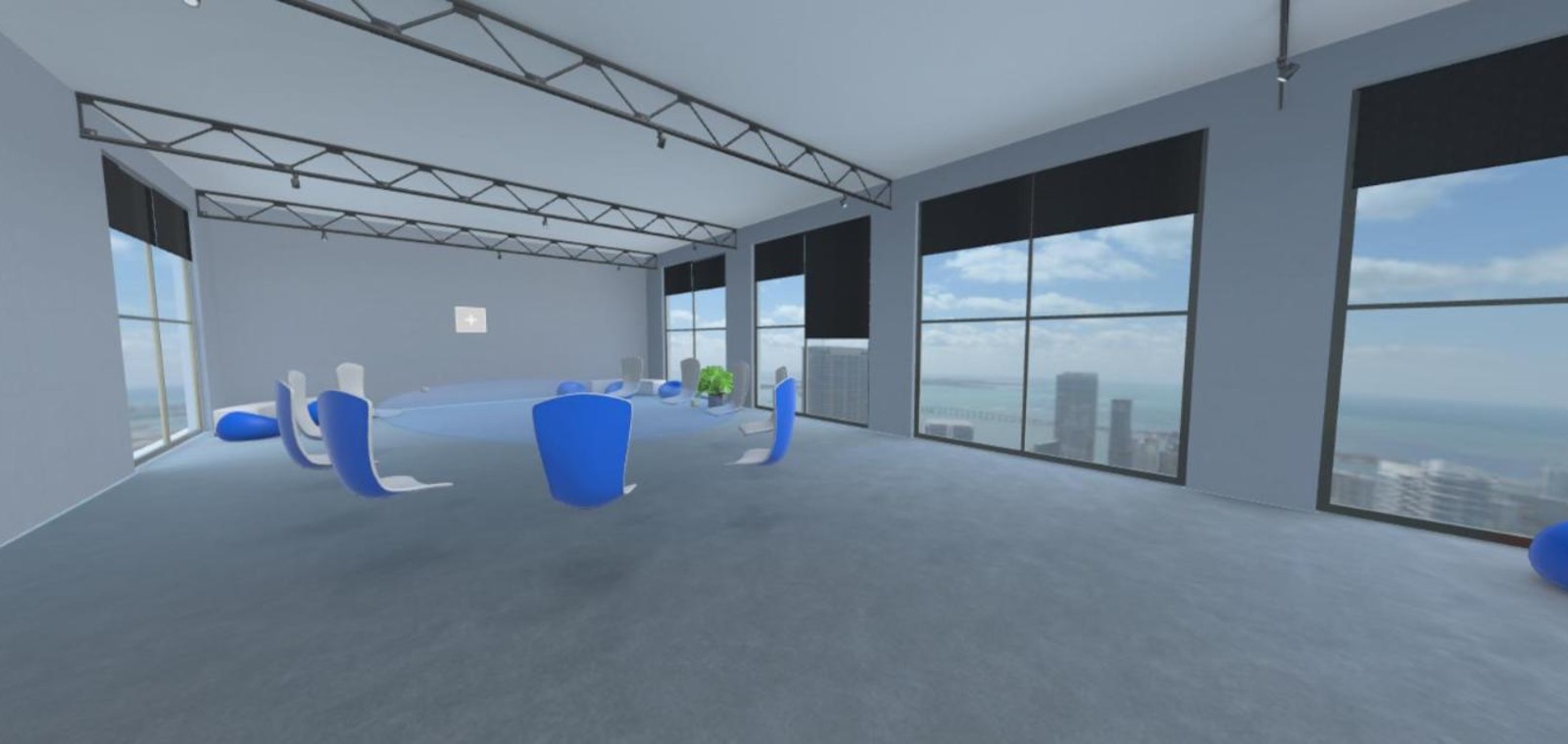
Next Reality Digital is a build-your-own platform. L&D teams create 3D training environments in XR Creator Studio, a no-code visual editor, and publish them as Verses that trainees join from a link in any browser, with VR headsets supported but not required. XRHUB Analytics reports active users, session duration, engagement time, and top events, and built-in AI agents provide live chat translation and transcription.
It is not a content library. If you need dozens of ready-made soft-skills modules next week, a library vendor will get you there faster. If you need training built around your own sites, equipment, and procedures, and want your team to own updates, a build-your-own platform is the better fit.
Common questions
- What is VR training software? VR training software lets organizations deliver training inside interactive 3D environments, where learners practice tasks and decisions instead of watching video or reading slides. Depending on the product, it runs on VR headsets, in a web browser, or both.
- What is the best VR training software? There is no single best option; it depends on your model. Content libraries are fastest to launch, managed deployments suit very large headset programs, and build-your-own platforms suit teams that want to create and update scenarios themselves.
- Do you need VR headsets for VR training? Not always. Browser-based platforms run training on laptops and phones, with headsets as an option for deeper immersion. Headset-only products require a device for every learner.
- How much does VR training software cost? Pricing is usually a platform subscription, sometimes plus per-scenario production fees for custom content. Build-your-own platforms let one subscription cover any number of internally built scenarios.
- Can VR training software track completion? Most enterprise platforms include analytics. Check which metrics are reported, such as active users, session duration, and engagement, and whether the data can be exported for your reporting.
Related reading
See how this works on our enterprise VR training platform page. You may also like Choosing a Virtual Training Platform and VR Safety Training: 12 Scenarios Worth Simulating.
Get started
See your own scenario built live during the demo, not a canned walkthrough. Get a Demo or Build for Free