Stay updated with our latest thoughts on 3D standards, immersive technologies, and digital creation.
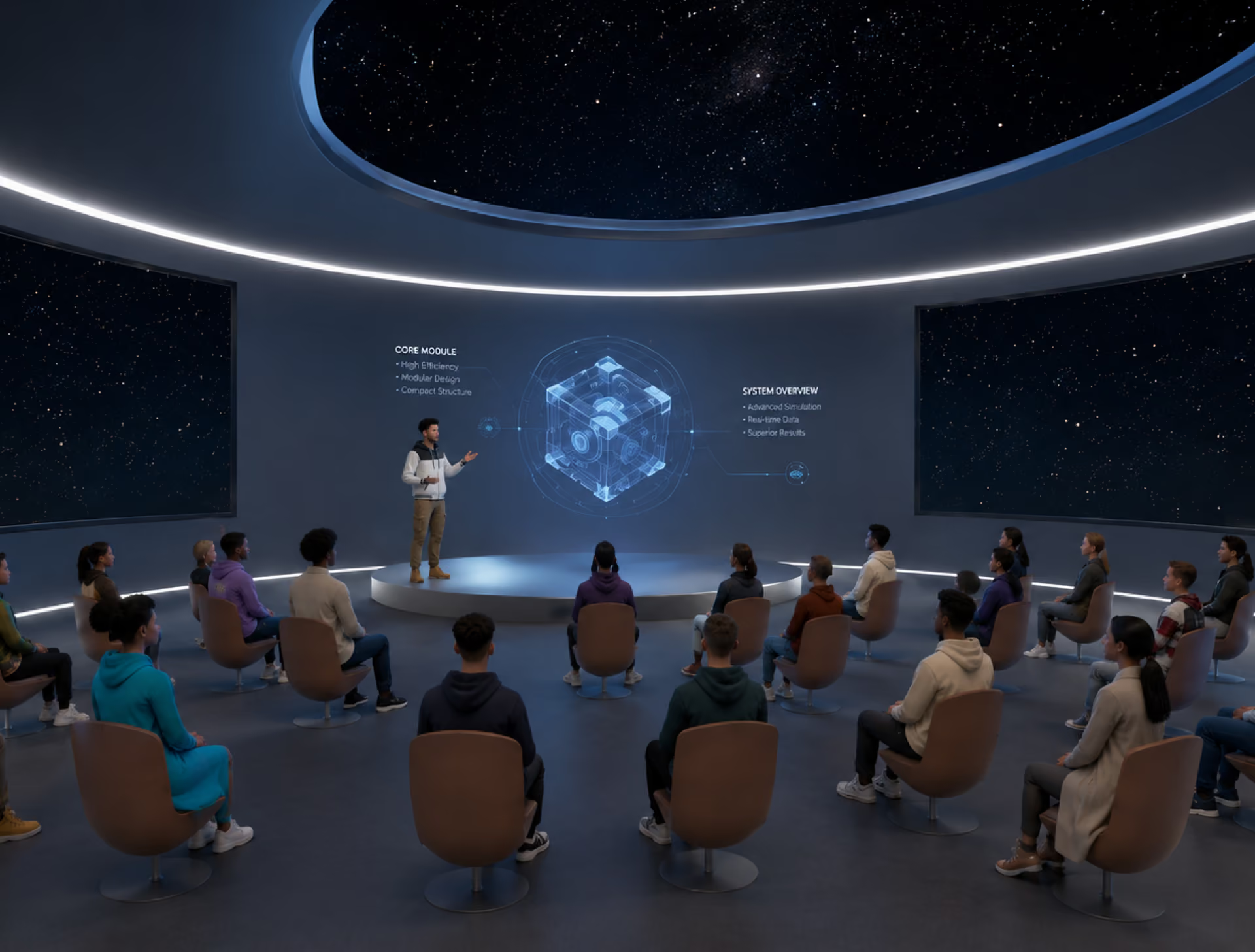
Browser-based VR training reaches every employee; headsets add immersion for physical skills. When to use each, and how to combine them.
How 3D virtual event platforms differ: access, capacity, audio, branding, hybrid, and analytics, plus questions to ask in a demo.
Compare VR training software by type: content libraries, managed programs, and build-your-own platforms. What to ask before you choose.
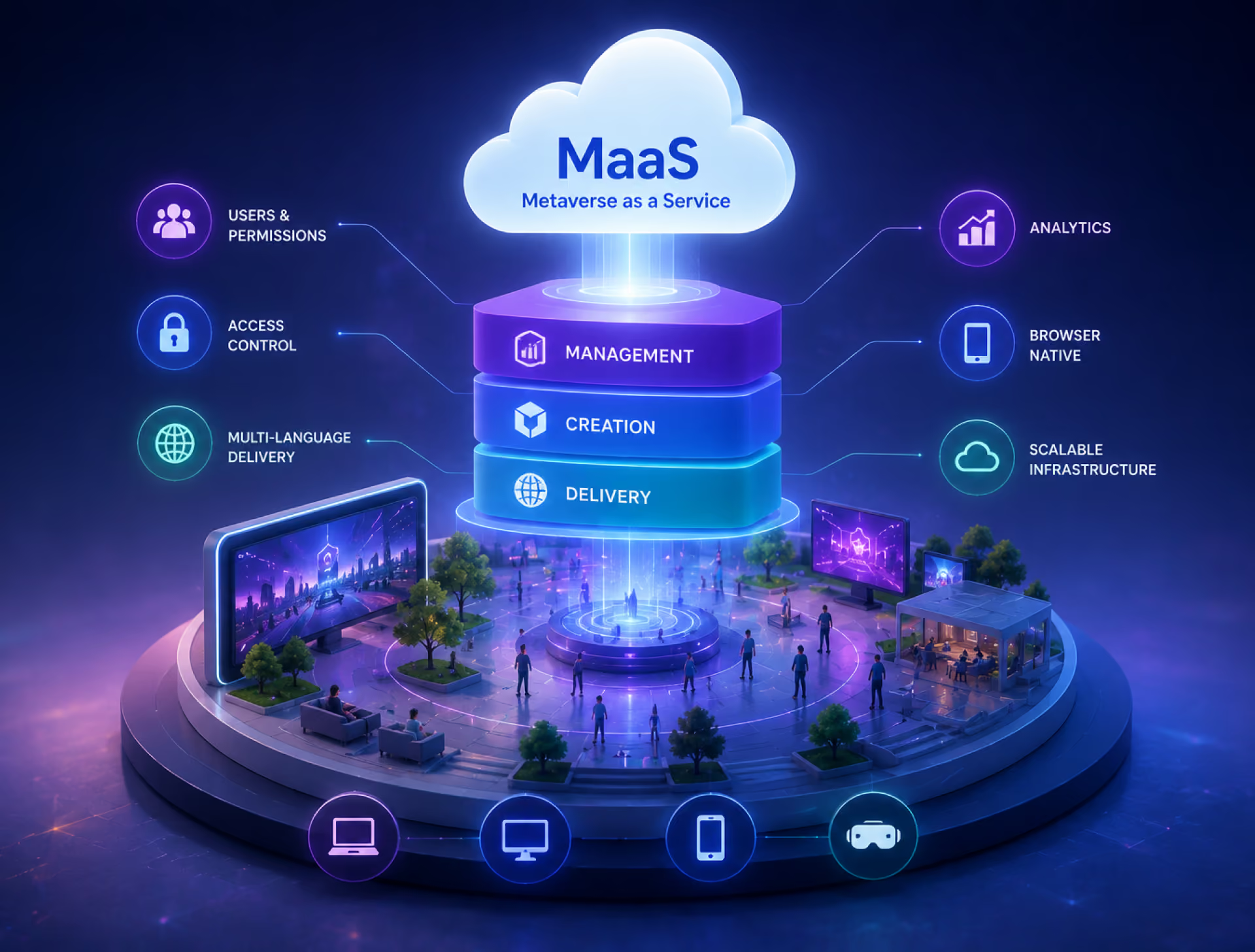
Metaverse as a Service (MaaS) lets enterprises run branded 3D spaces without infrastructure. Here’s what’s actually included.
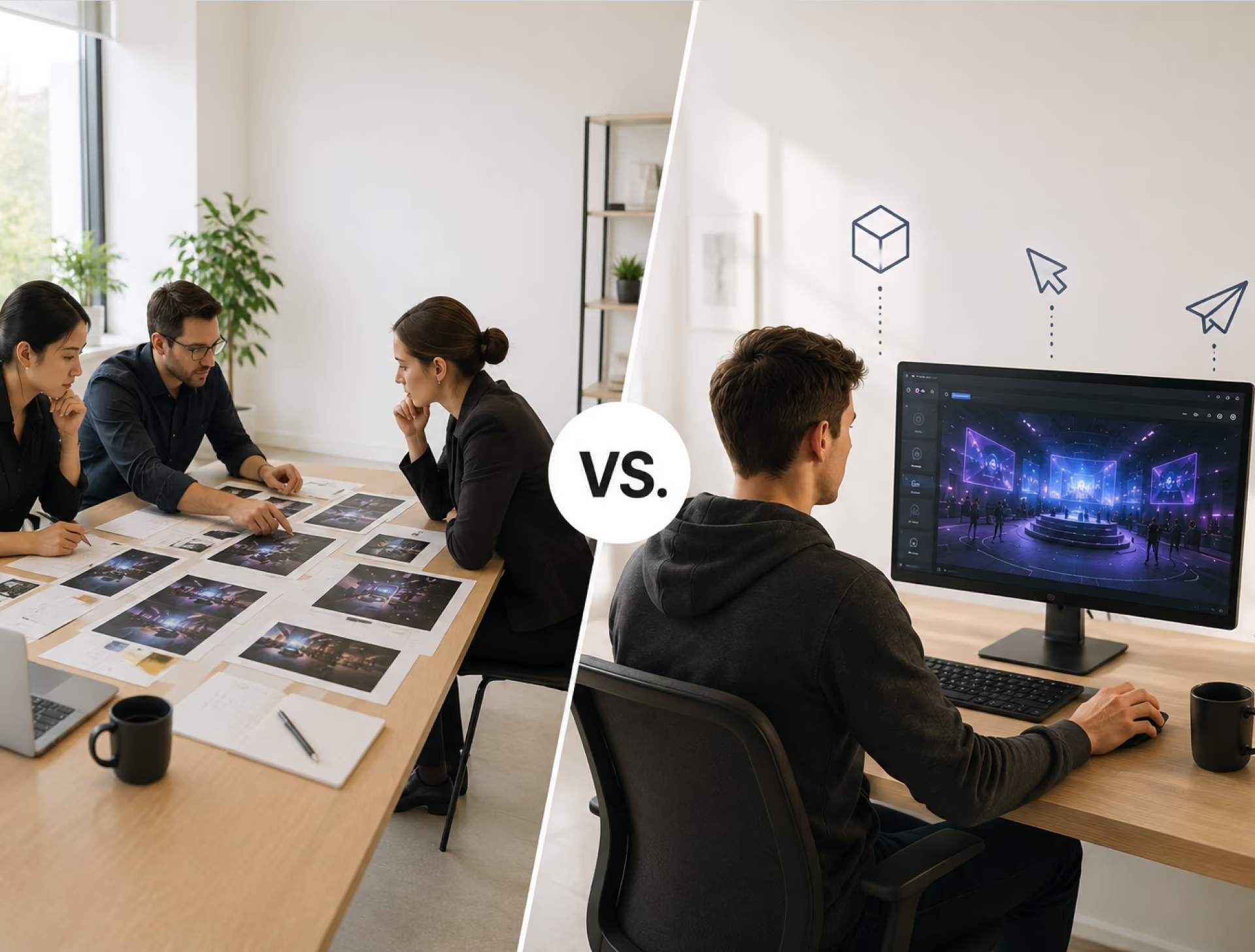
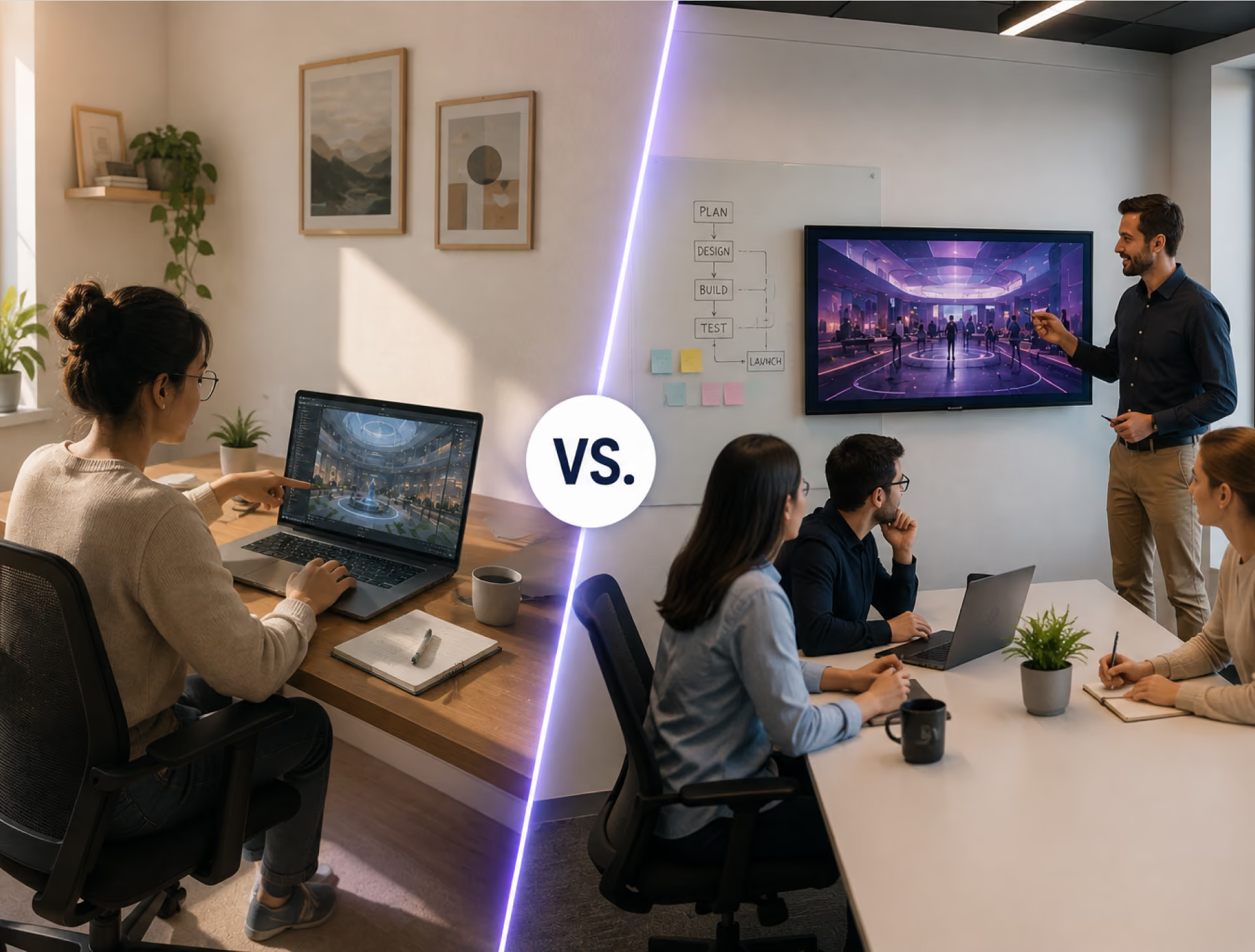
Agency vs. in-house for brand activations: how to evaluate costs, execution, and strategy to pick the right model for your launch.
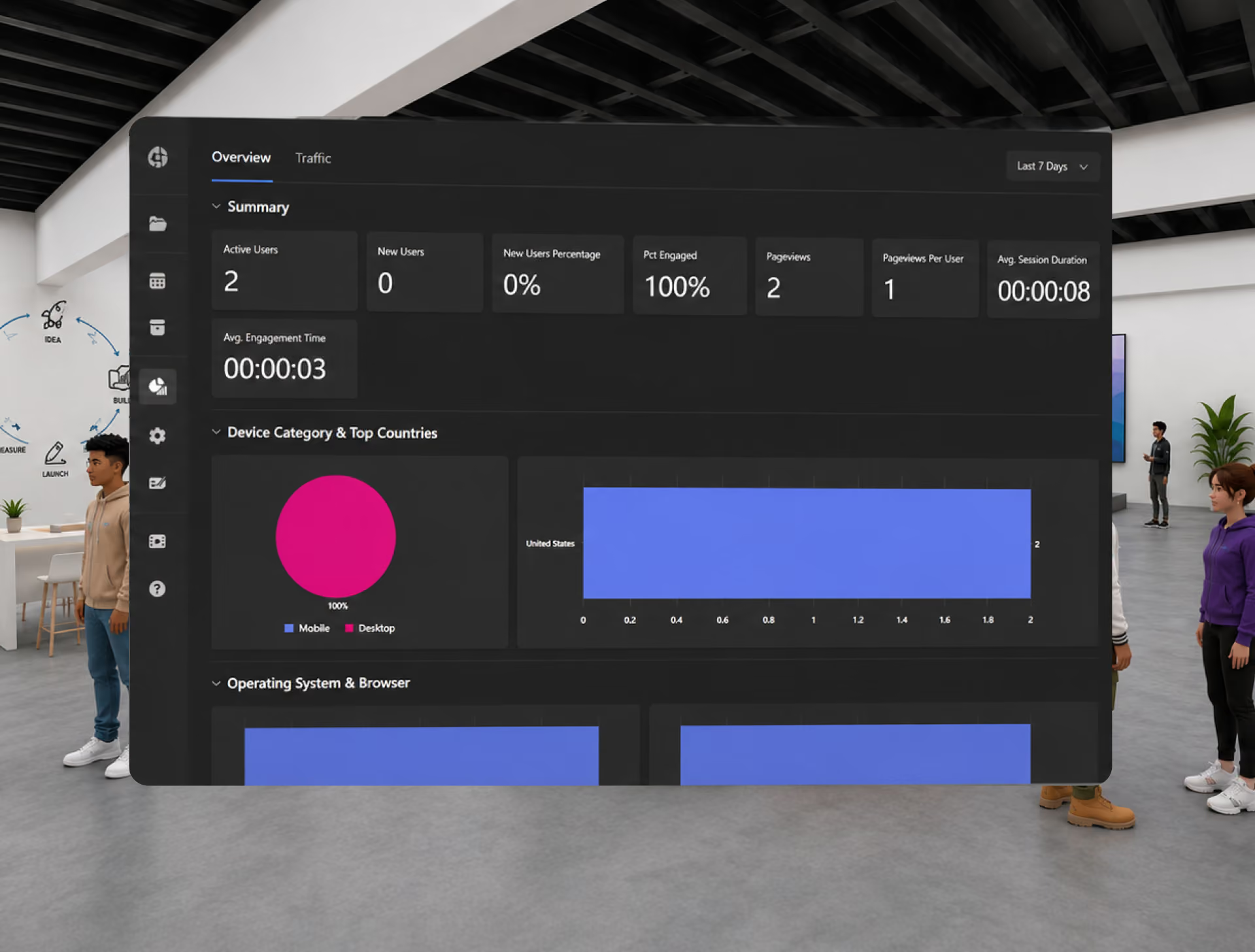
Prove your XR program ROI with the right metrics. Discover what XRHUB Analytics tracks to help justify and scale your initiative.
Webinar fatigue killed basic virtual events. Discover the formats driving real attendance in 2026—and why spatial venues work.
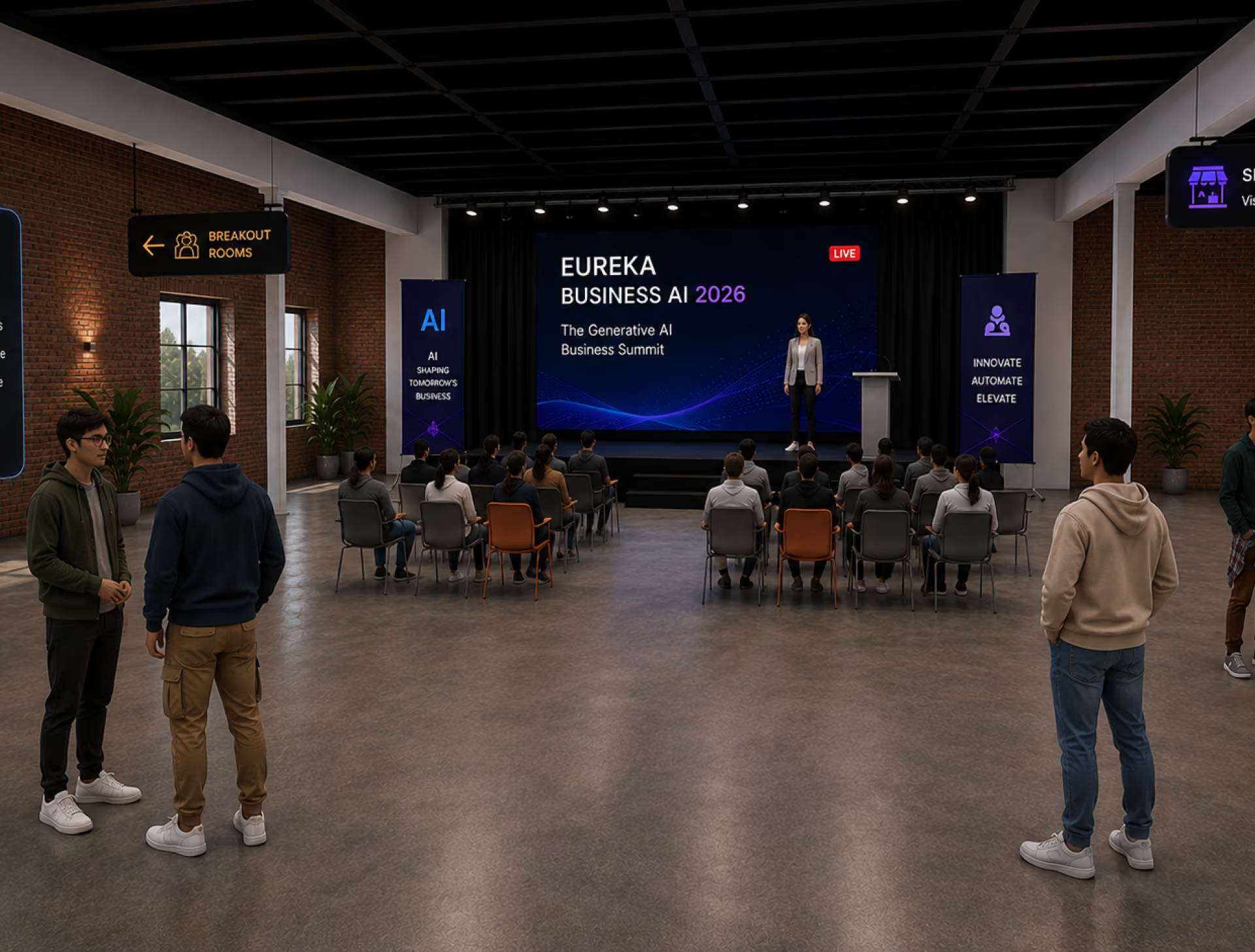
How an AI business summit for 150 ran entirely browser-native: no headsets, keynotes and networking delivered in 3 languages.
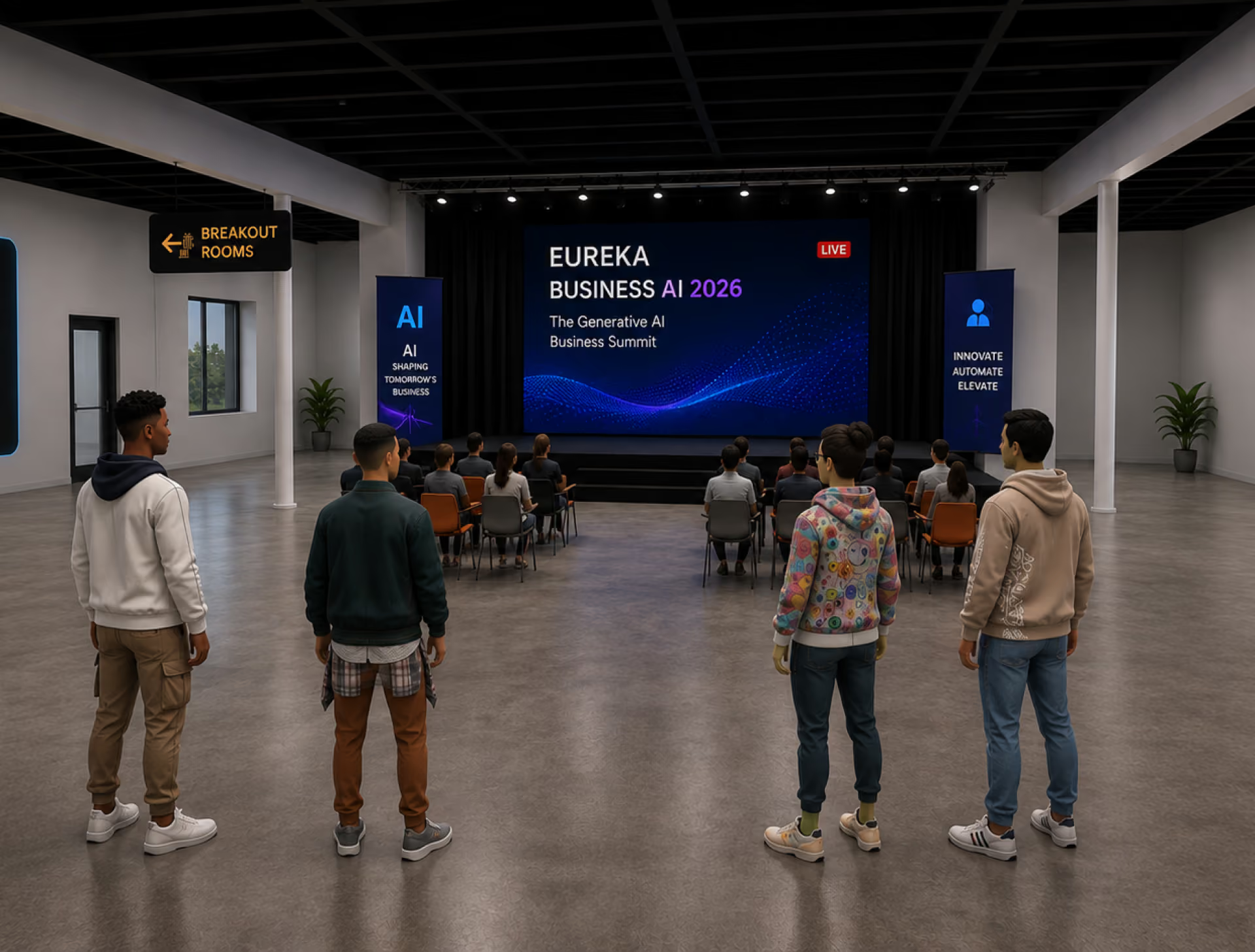
Stop losing remote attendees to passive streams. Discover how a true hybrid event platform drives active participation.
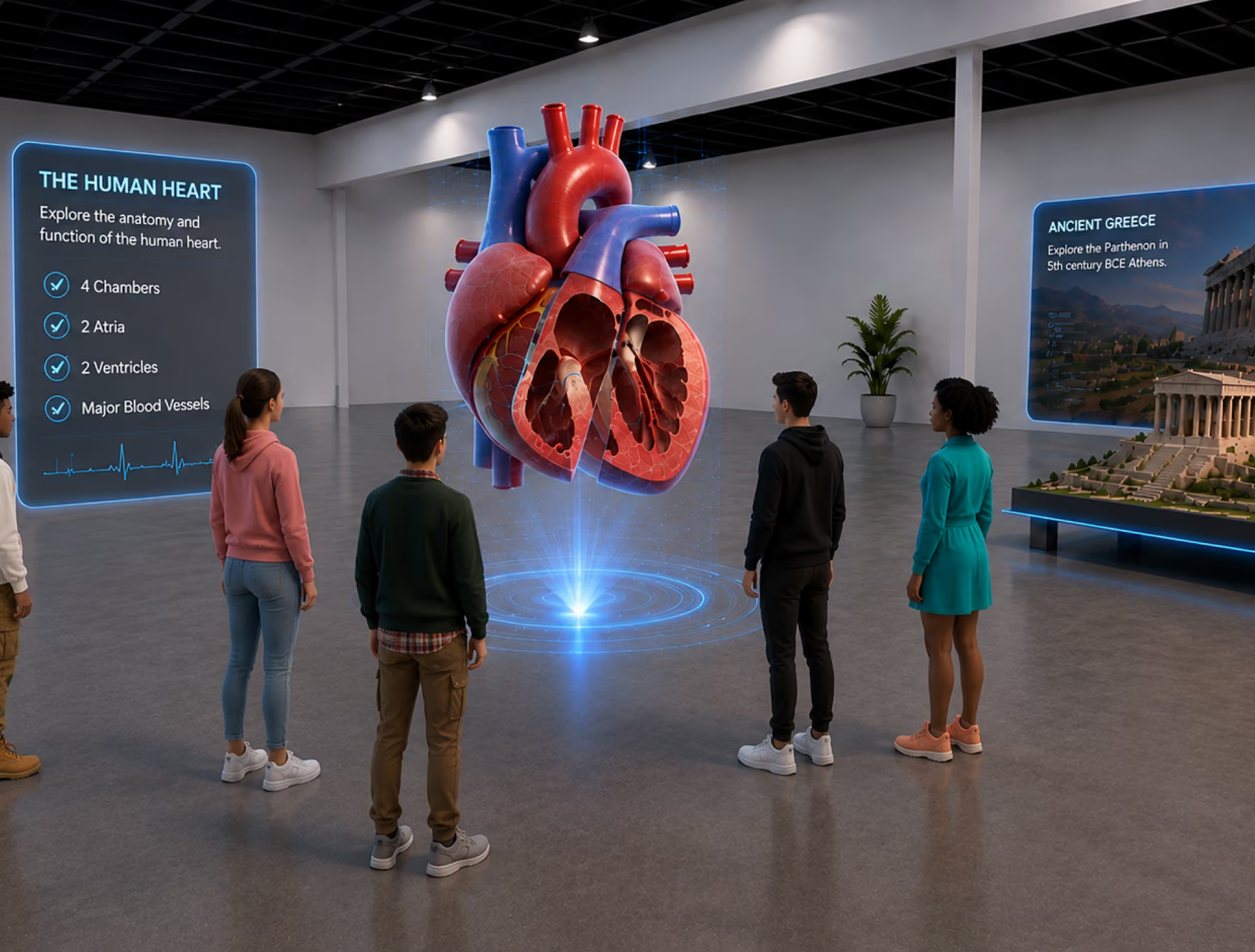
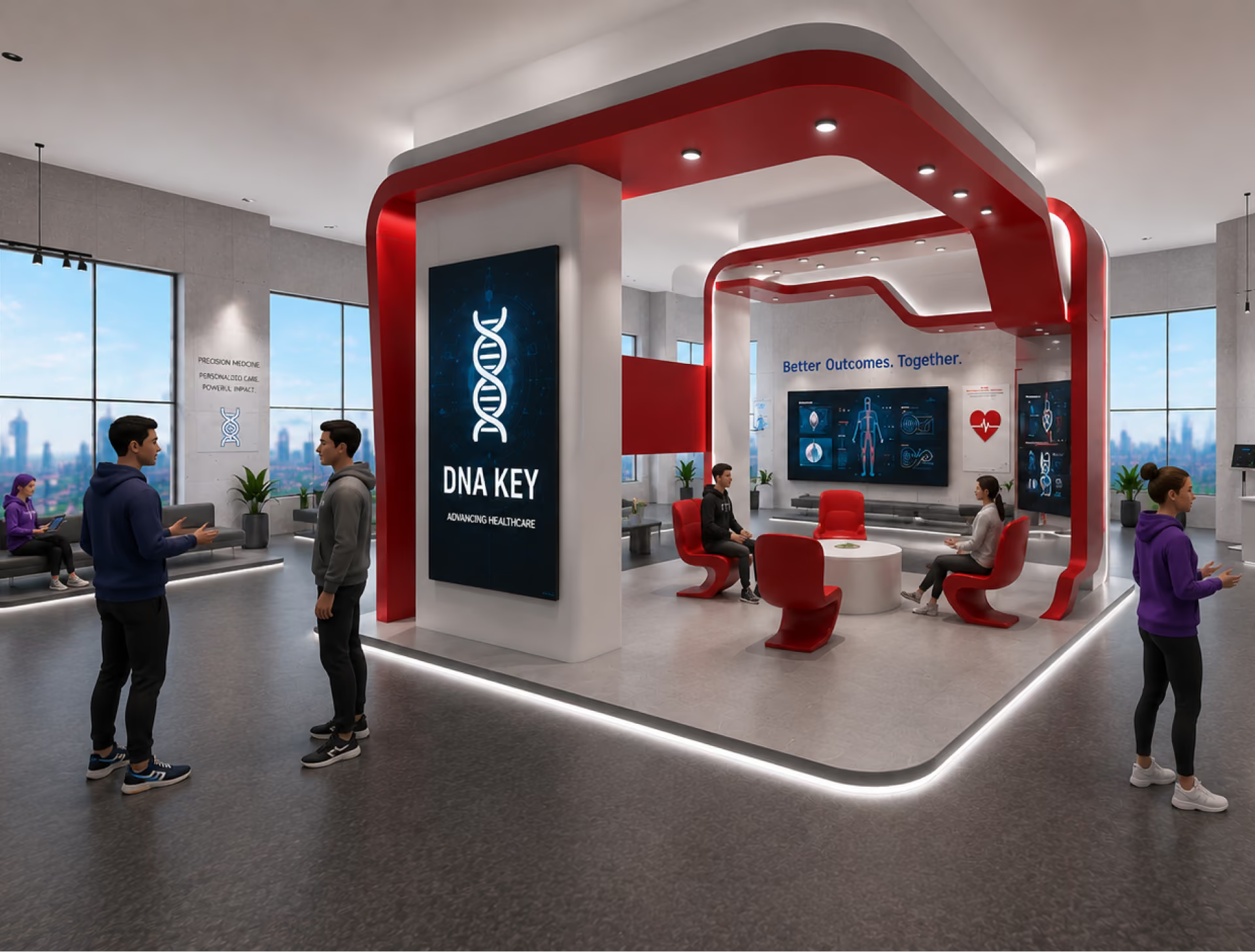
How VR is used in healthcare—training, simulation, and patient education—plus its real benefits, limitations, and scalability.
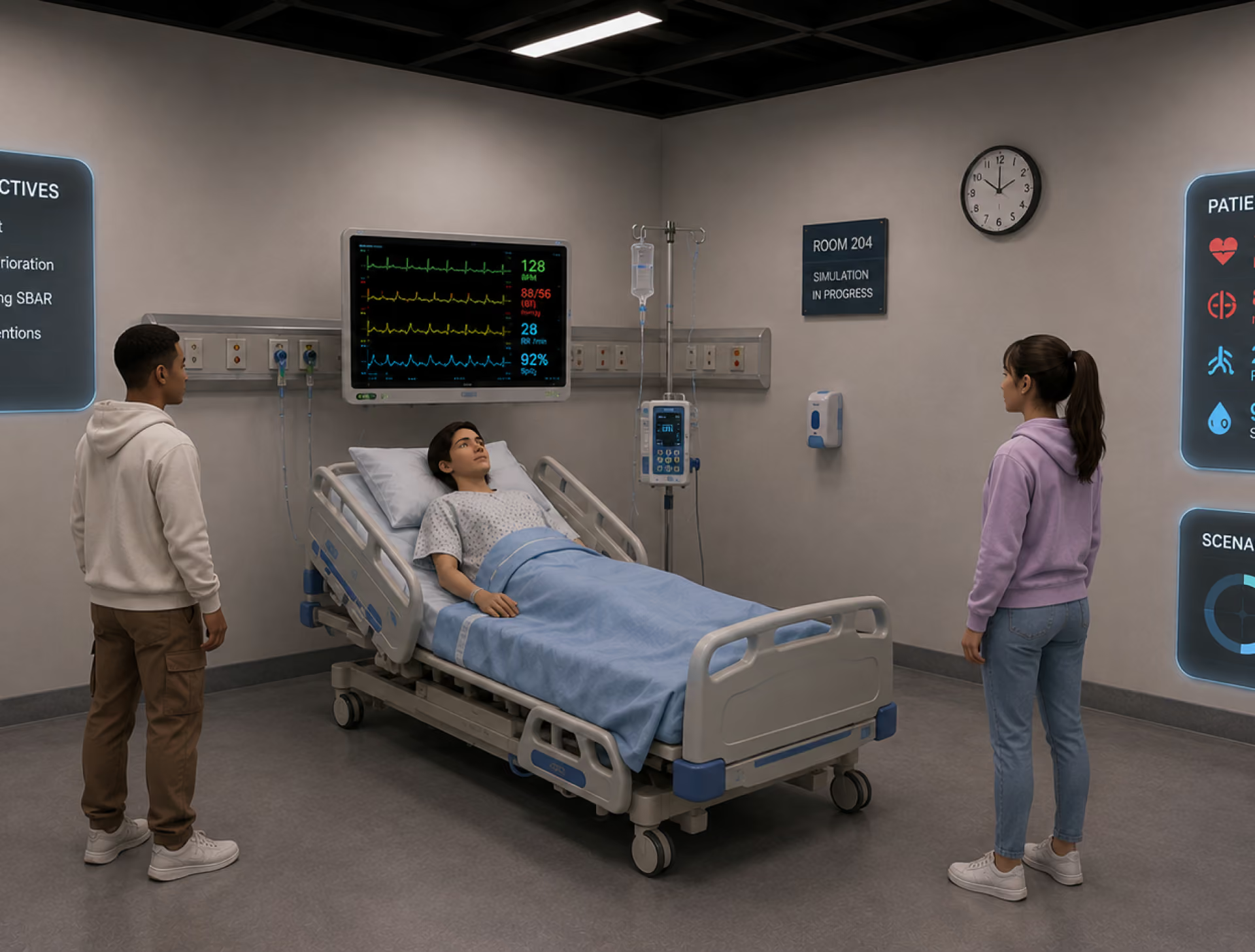
How nursing programs use VR to close clinical gap: key scenarios to build first, implementation costs, and no-headset entry.
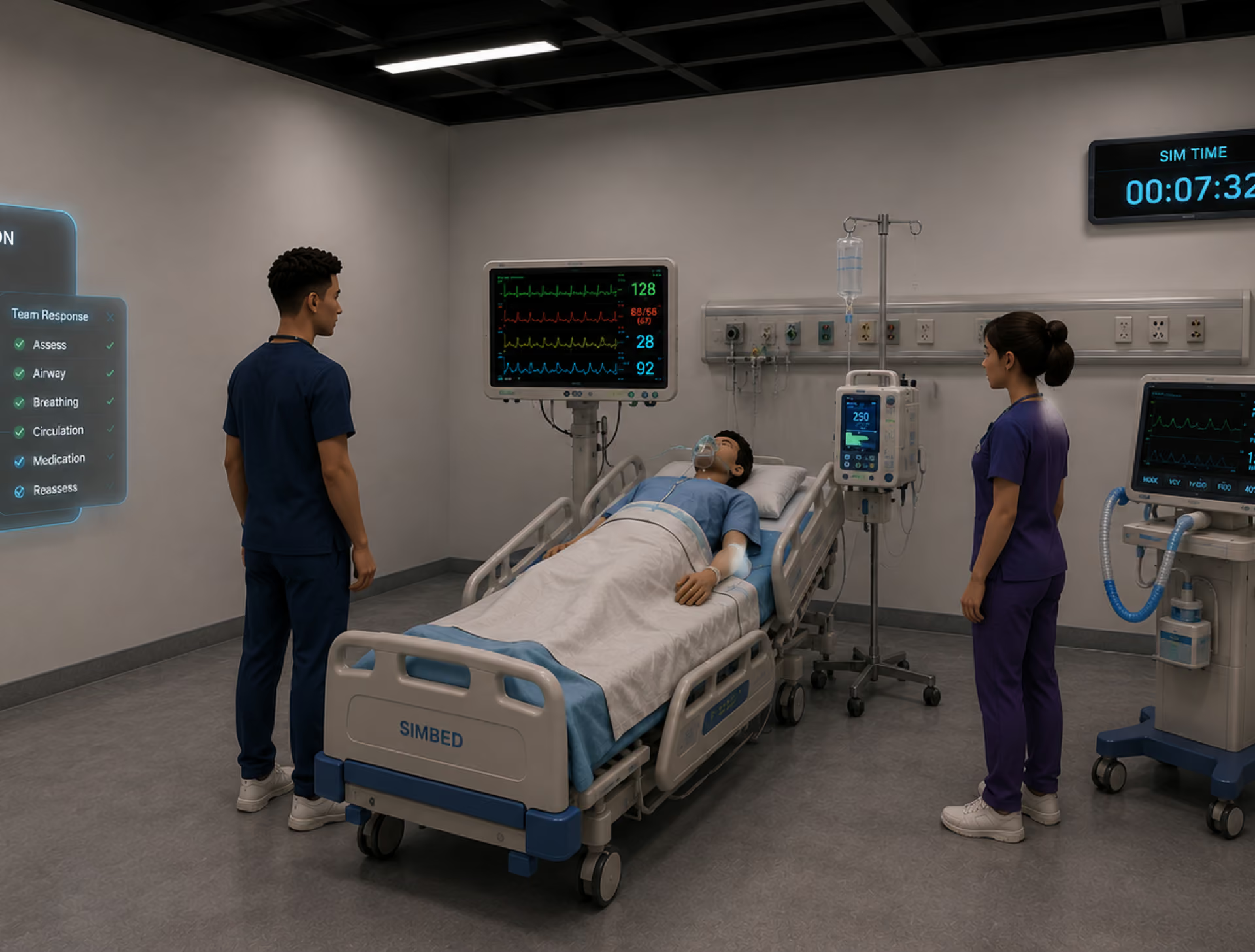
VR medical simulation vs. traditional labs: comparing surgical training and procedural rehearsal, plus steps to scale effectively.
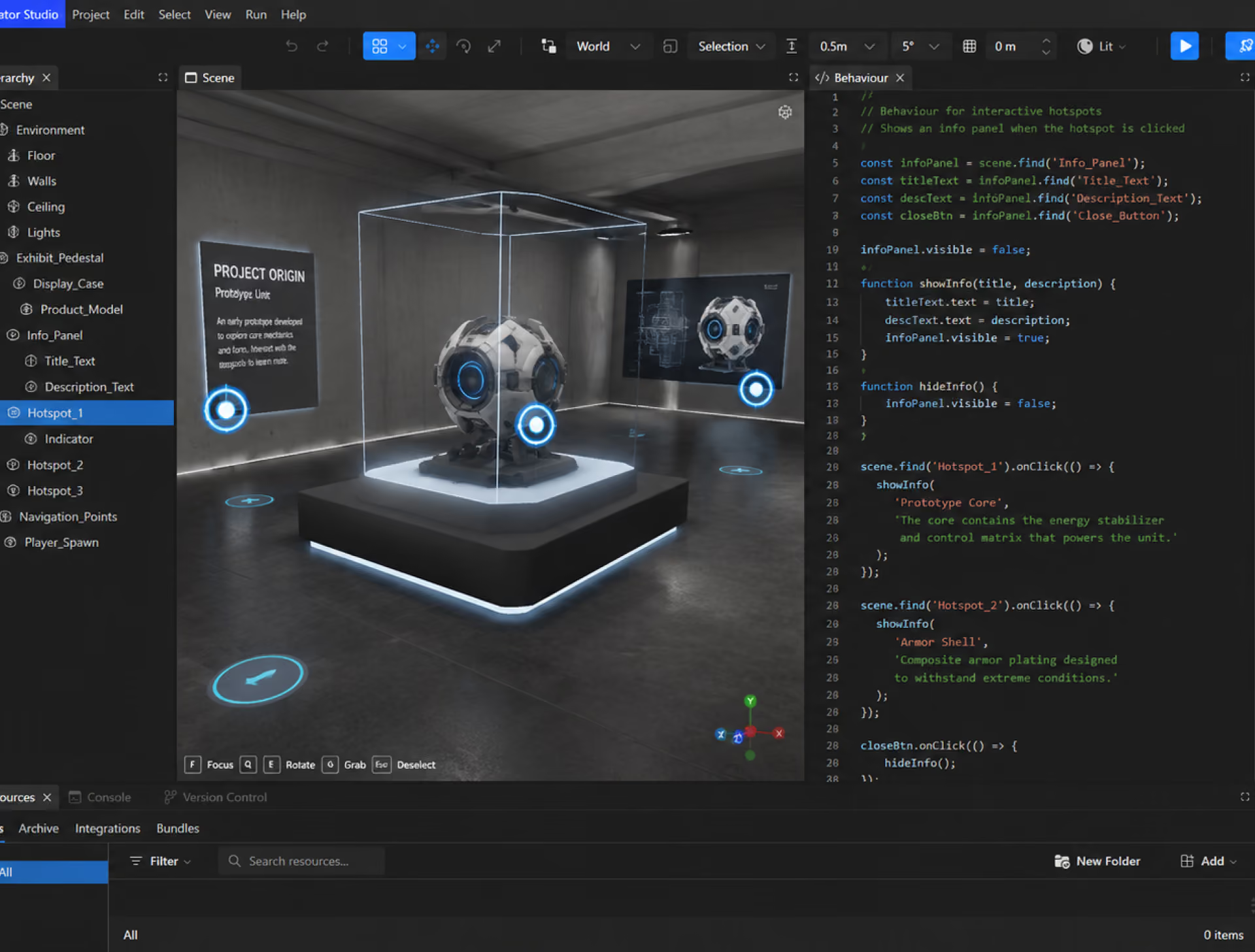
No-code XR tools let non-developers build 3D web spaces. See how XR Creator Studio’s visual editor works in practice.
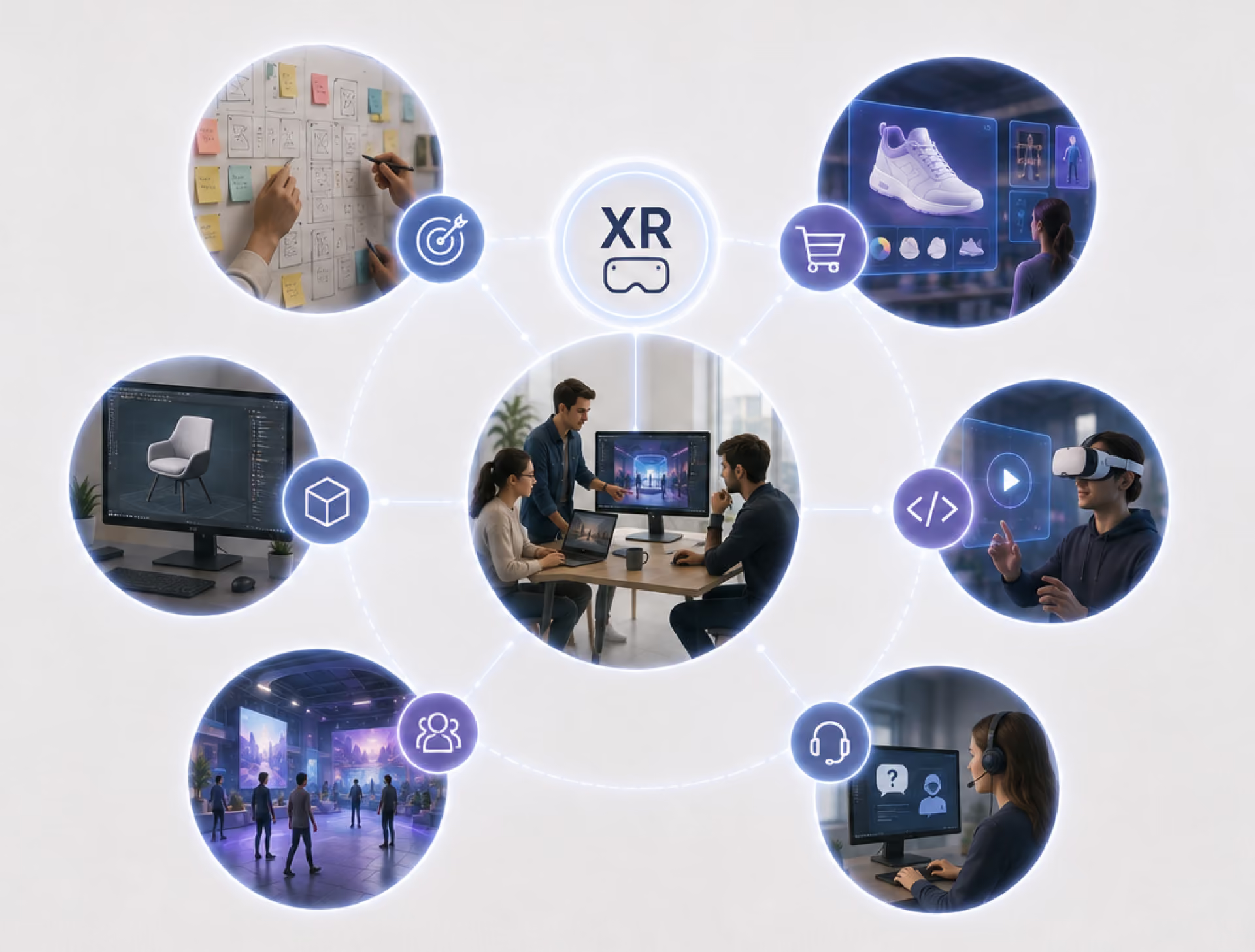
What does an XR agency actually do? Discover how custom VR and 3D projects are built—and when hiring one is the right call.
In-house XR vs. hiring an agency solve different needs. Use this framework to choose based on your org's actual usage pattern.